The Science Behind Your Windshield: Precision Sealant Control and Removal Techniques
When you look at your car's windshield, you likely see a simple piece of glass. However, at AlexWindshield, we see a critical structural component of your vehicle. The title of this article might sound like a page out of an engineering textbook—mentioning "volumetric sealant control" and "pinch weld primer"—but these technical details are exactly what separates a generic quick-fix from a professional, safety-certified installation.
As the leading experts in windshield replacement Toronto residents trust, we believe in transparency. Here is a deep dive into the technical precision we apply to every job, ensuring your vehicle remains safe, watertight, and structurally sound.
Precision Removal: Cold Knife vs. Wire Cut-Out
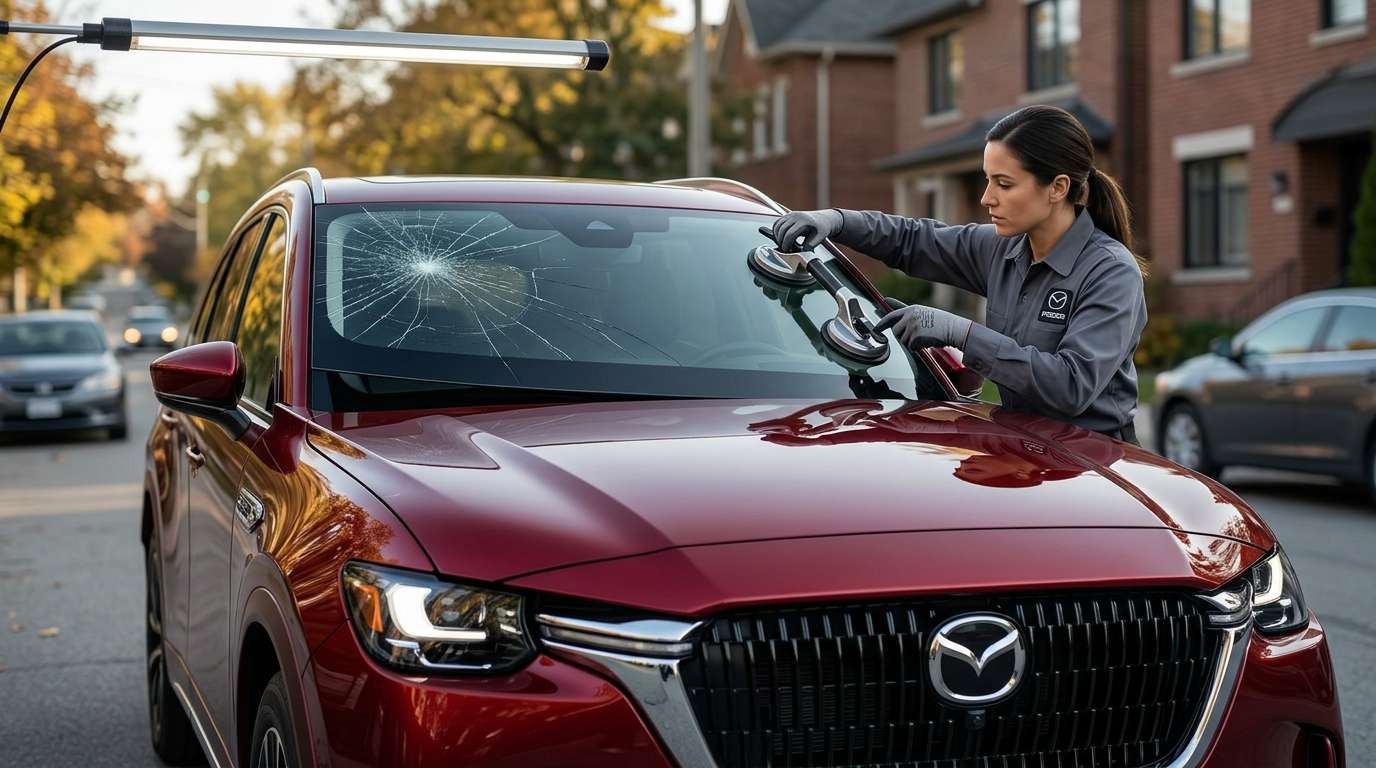
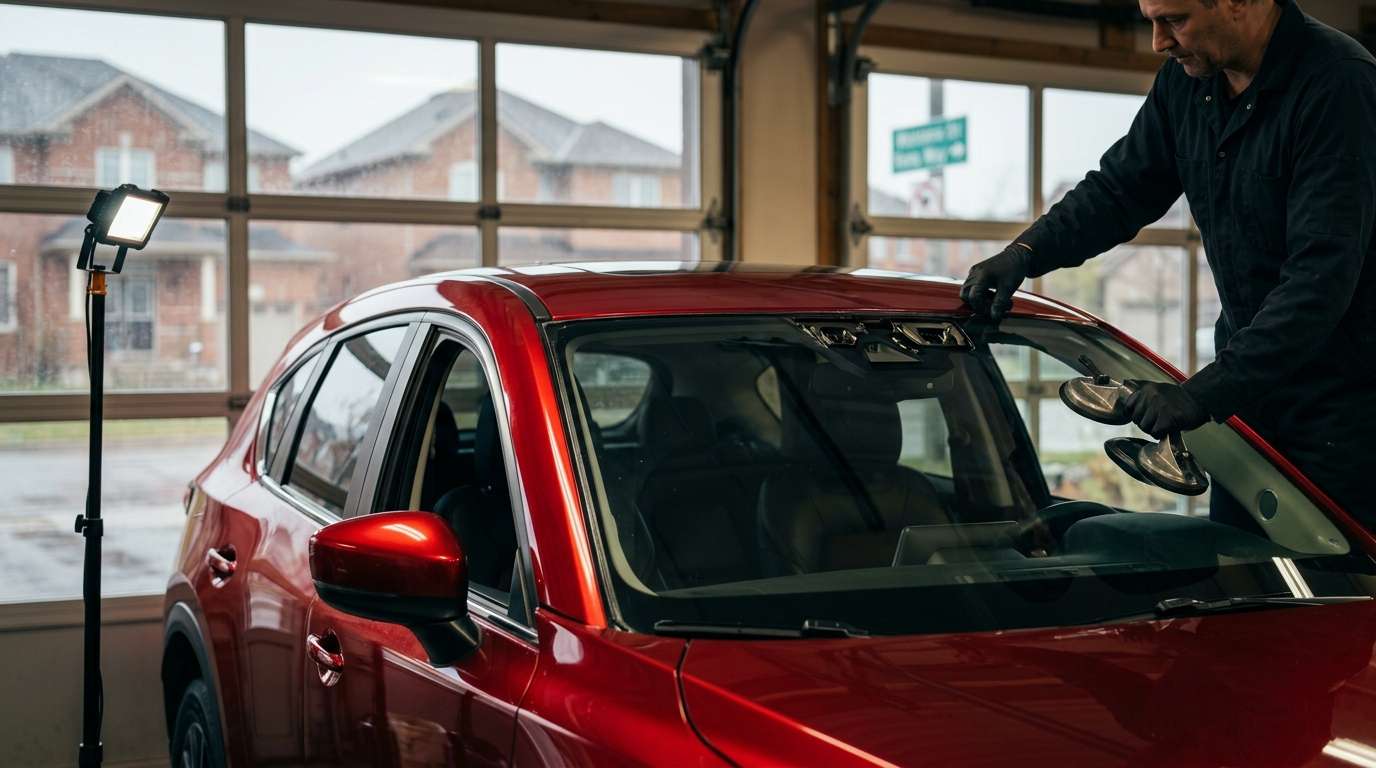
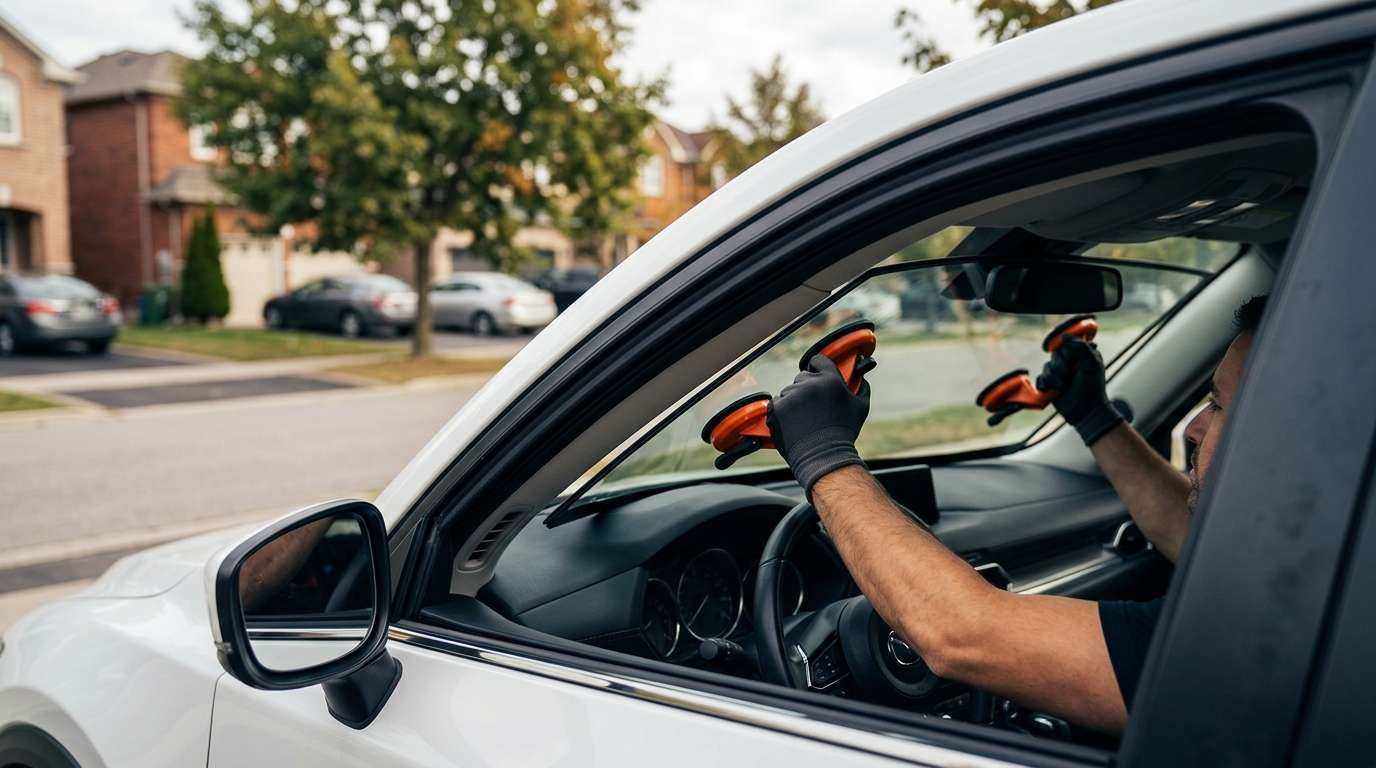
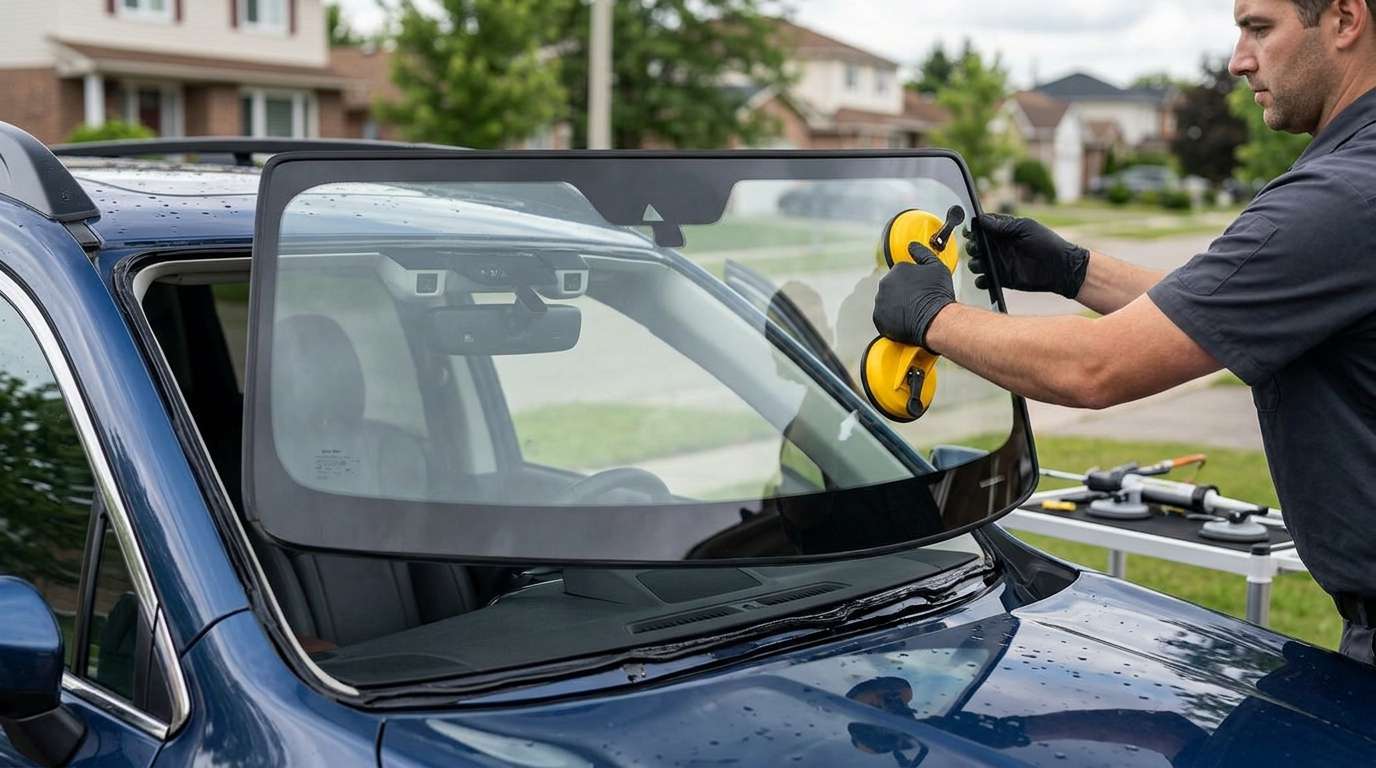
Before a new windshield can be installed, the old one must be removed without damaging the vehicle’s frame. This stage requires surgical precision to navigate around delicate areas like cowl clips and glass run channels.
At AlexWindshield, we utilize two primary methods depending on the vehicle's specific architecture:
- Cold Knife Extraction: An L-shaped blade is used to slice through the old urethane. This requires a steady hand to ensure the blade does not scratch the vehicle's paint or damage the pinch weld (the metal ridge where the glass sits).
- Wire Cut-Out: For tighter tolerances where a blade might be too invasive, we use a high-tensile wire. This acts like a saw to cut the adhesive from the inside out, ensuring zero damage to the dashboard or interior trim.
Pinch Weld Primer: The Foundation of Longevity
Once the glass is removed, we expose the "pinch weld." If this metal frame is scratched during removal and left untreated, rust will eventually form, causing the new windshield to leak or detach years down the road. This is where auto glass repair turns into preservation.
We apply a high-grade pinch weld primer to any exposed metal. This primer performs two vital functions: it acts as a rust inhibitor and creates a chemical bond that allows the new urethane adhesive to stick securely to the vehicle's frame.
Volumetric Sealant Control: Calculating Urethane Bead Mass
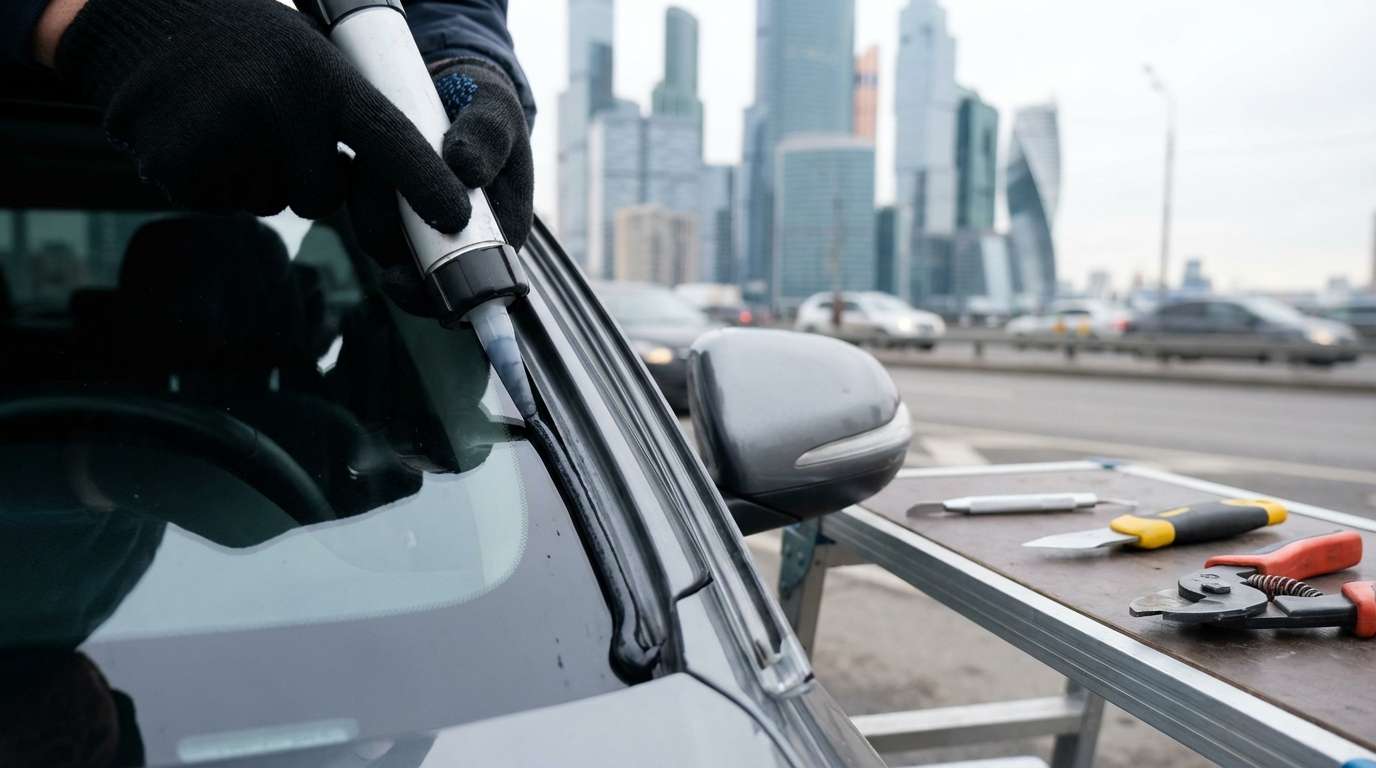
This is the most critical technical aspect of our work. "Volumetric sealant control" essentially means applying the exact amount of glue (urethane) needed to match the factory specifications. It isn't about guessing; it is about calculation.
If the urethane bead is too thin, the glass won't bond strong enough to support the roof during a rollover accident. If the bead is too thick or the mass is uneven, the windshield will sit too high. This misalignment can cause wind noise, water leaks, and issues with your decorative moldings.
The Impact on Safety Sensors and ADAS Calibration
Modern vehicles are equipped with Advanced Driver Assistance Systems (ADAS). These systems rely on cameras and safety sensors mounted directly behind the windshield. This is why the urethane bead mass calculation is non-negotiable.
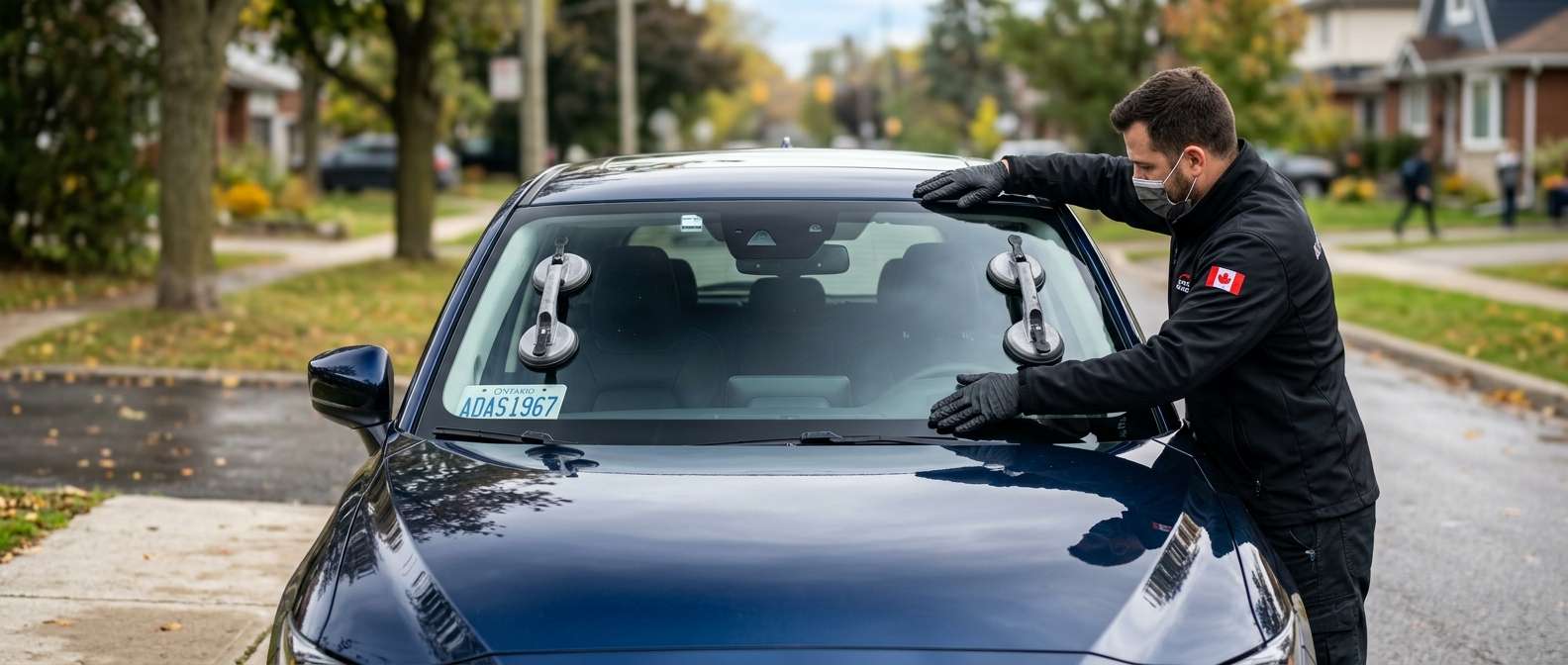
If the windshield sits even a millimeter off from the factory position due to improper sealant application, the angle of the camera changes. This can cause your Lane Keep Assist or Automatic Emergency Braking to malfunction. At AlexWindshield, our precise installation ensures that the glass is positioned perfectly for successful ADAS calibration, keeping your safety systems fully operational.
Expert Mobile Service Across the GTA
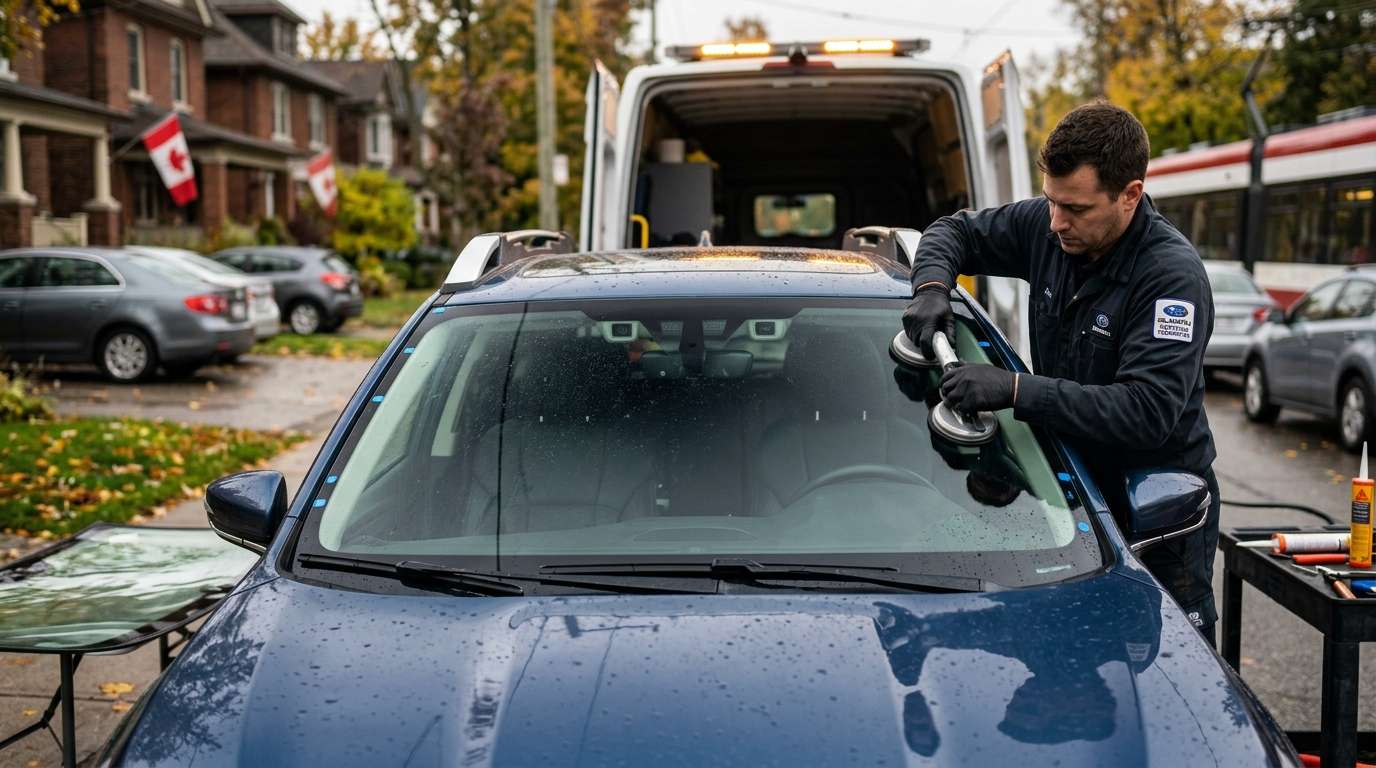
Understanding the physics of urethane and the geometry of cowl clips is part of our daily routine. We bring this level of technical expertise directly to your driveway or office parking lot.
Our mobile service covers the entire Greater Toronto Area. We bring the laboratory to you, ensuring that temperature, humidity, and primer cure times are managed professionally, regardless of the location. When you choose AlexWindshield, you aren't just getting new glass; you are getting a scientifically backed, safety-focused restoration of your vehicle.